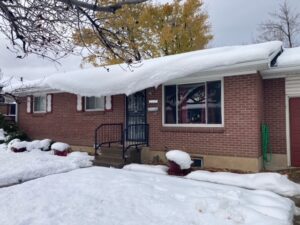
While Denver and surrounding cities are no strangers to snowstorms and thunderstorms, the Mile High City gets significantly less rainfall than other parts of the country. Because Denver’s climate is partly arid, it can be challenging to keep certain plants, flowers, and lawns well-watered. It’s not uncommon for the city to have water rules in place, including mandatory outdoor watering limitations and bans.
Though watering your lawn in the Denver area can be tricky, you don’t have to have a burnt, yellow-brown lawn each summer. How? Rainwater harvesting! If you’ve never heard of rainwater harvesting or are familiar with it but unsure about Denver’s rainwater harvesting regulations, continue reading. We’ll discuss guidelines for rainwater harvesting in Colorado and how to integrate your gutter system with rainwater harvesting to have the best lawn, shrubs, gardens, and flowers in the neighborhood, despite watering bans.
What is Rainwater Harvesting?
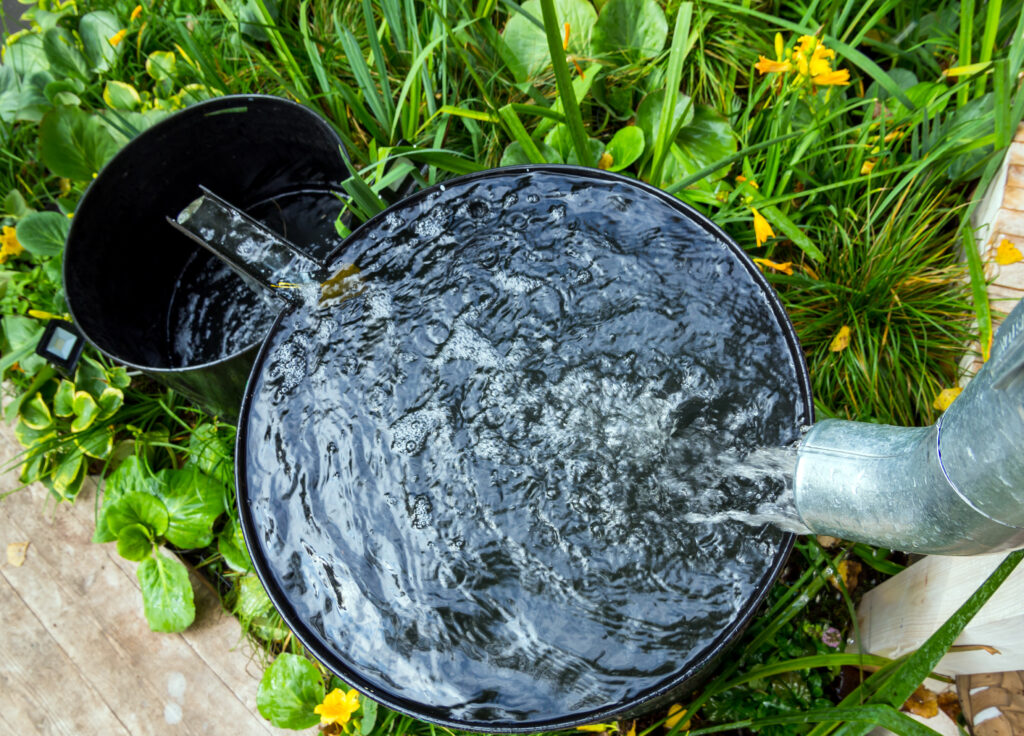
Rainwater harvesting is the process of homeowners collecting and storing rainwater, snowmelt, or any precipitation from rooftops for later use. Integrated with a gutter system, water is collected from the roof, and, rather than the water being dispersed away from the home, it is collected and stored in an appropriate water collection barrel.
Rain barrels are containers placed beneath downspouts to capture rainwater that runs off your roof. They offer an easy and efficient way to conserve water by storing it for future outdoor use, such as watering your lawn, garden, or landscaping. This not only helps reduce your water bill but also supports eco-friendly practices. However, rainwater collected in these barrels isn’t safe for drinking or indoor use, as it may carry contaminants picked up from rooftops and gutters.
Rainwater harvesting goes beyond watering lawns, gardens, and flowers. You can use the water you’ve harvested for many uses, like washing outdoor equipment, flushing toilets in an emergency, irrigating landscapes, refilling birdbaths, and much more.
Rainwater Harvesting in Colorado
Before legislation, rainwater harvesting in Colorado was prohibited. As of 2016, Colorado officially legalized the use of rain barrels, permitting homeowners to collect and store up to 110 gallons of rainwater using no more than two barrels. While there are usage restrictions and guidelines to follow for proper storage, rainwater harvesting comes in handy in a partly arid climate like Denver’s, allowing homeowners to water their lawns when needed, regardless of watering bans.
There are many benefits to rainwater harvesting in Colorado: it helps to prevent soil erosion, helps conserve water, reduces stormwater runoff, and saves you money on watering bills. However, just like with anything, there are a couple of minor cons to rainwater harvesting in Colorado: it’s difficult to collect rainwater during droughts or drier seasons, and it can be a hotbed for mosquitoes, so using a regulated sealable lid to prevent mosquito breeding is crucial.
How to Integrate a Gutter System with Rainwater Harvesting
Successful water harvesting starts with a high-quality gutter system that performs well. You’ll need water from the roof and inside the gutters to flow through the gutters and downspouts and into a barrel. Integrating a gutter system with rainwater harvesting is easy if your system is in good shape. Here’s how to integrate your system with rainwater harvesting:
Keep Gutters Clean
Keeping gutters clean not only protects your roof and foundation, helping to prevent drainage issues, but it also makes for easier and more successful rainwater harvesting. Keep your gutters clean by cleaning them at least twice a year, removing large debris like leaves and pine needles, and flushing out smaller debris like seeds and insects. Gutter cleaning keeps the inside of the gutters cleaner and helps water flow through quickly, resulting in more successful rainwater harvesting.
Install Gutter Covers
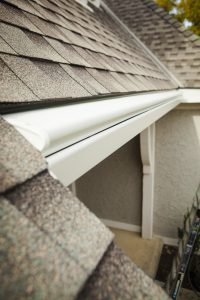
Do you have gutter covers on your gutter system? If not, now’s the perfect time to install them! Gutter guards are an excellent choice for Colorado homeowners because they keep debris out of the gutter system, allowing stormwater and meltwater to flow freely, preventing clogged gutters. Installing gutter covers also keeps debris out of your water collection barrels, resulting in successfully harvested rainwater.
Purchase and Place Barrels
You’ll need to purchase rainwater harvesting barrels at a big box or hardware store, ensuring they total 110 gallons and no more than two barrels. Once you’re ready to place your barrels, you can DIY it or contact a professional gutter installation company like K-Guard Rocky Mountains to help.
Integrate Your K-Guard Gutter Guards with Rainwater Harvesting
K-Guard is a complete system with multiple components that work together to protect your home from drainage issues. Our heavy-duty aluminum resists corrosion, dents, and chips, even during hailstorms. Our gutter system is so durable that we offer a lifetime no pull-away warranty, ensuring it’ll withstand all weather conditions, which is crucial with Colorado’s unpredictable and varying weather patterns.
Our gutter covers are also seamless, eliminating the risk of leaks or loose sections like homeowners often have with sectional or traditional gutter systems. K-Guard is custom-made during your K-Guard Gutter installation service to ensure it’s the proper fit. We run our heavy-duty aluminum through our rolling machine, which slowly bends our flat coil stock. We also measure and cut every piece on-site to ensure an exact fit. We offer many color options, making it easy to customize your K-Guard Gutters, from earthy neutrals to cool-toned blues. You’re sure to find a perfect color that complements or boldly accents your home.
Contact K-Guard Rocky Mountains today for a free estimate, a detailed analysis of your current gutter system, and estimated costs for installing K-Guard on your home. We look forward to helping you with your gutter replacement and integrating your system with rainwater harvesting!